
FINANCE THE DREAM ACADEMY APPLICATION
At Musicnomics Finance the Dream Academy, we don’t just teach—we launch careers.
After completing just 10 classes, graduates gain access to exclusive private investor opportunities that can change the trajectory of their careers. Upon successful completion, you’ll be eligible for a one-on-one meeting with 5 out of 7 of our trusted music investors—key industry players ready to hear your pitch and potentially invest in your dream.
We believe education should lead to opportunity, and this is your chance to go from learning the business to funding your next move. Take control of your future—click below to get started.
CLICK THE + TO READ LESSON OVERVIEW
Preview Module: Lesson 1 – The Situation
Overview:
Welcome to your first step in building a creative career that actually pays. In this lesson, we pull back the curtain on what it really takes to thrive in the entertainment industry. You’ll learn why talent alone isn’t enough and how strategic funding—not burnout from a draining day job—can help you reach your goals. We’ll introduce the concept of "building the bridge" that gets you from artist to entrepreneur. By the end of this lesson, you’ll understand the emotional and financial cost of pursuing your dream—and be ready to start making smarter money moves..
Preview Module: Lesson 2 – Creative Financing for Creative People
Overview:
In Lesson 2, we dig into one of the most powerful, underused tools in the industry: business credit. You’ll learn how to separate your personal and business finances, why an EIN is essential, and how this form of funding can grow with you for life. We’ll break down various funding options (from merch to crowdfunding), and most importantly, stress this truth: your dream is your responsibility. Let’s talk about how to finance your future the smart way—so your creativity can stay front and center.
Preview Module: Lesson 3 – Mindset Reset
Overview:
In this lesson, we shift your mindset from hobbyist to entrepreneur. We’ll cover why setting up a company is your first major form of protection—and how it can shield your personal assets. You’ll learn how to evaluate ROI, build a team, and why going viral is not a business plan. Think of your artistic career as a vehicle: your business structure is the frame, and money is the gas. Without both, you’re not going anywhere. We’ll help you set a sustainable pace—and make sure you’re protected the whole way.
Preview Module: Lesson 4 – Give Yourself Some Credit
Overview:
Here’s where it gets real. Lesson 4 breaks down how business credit really works—and why so few creatives are using it. You’ll learn the three types of credit lenders consider, how to apply without using your Social Security number, and why this knowledge separates professionals from the pack. Spoiler: even Fortune 500 companies use these tactics. We’re handing you a proven blueprint to build your credit profile so you can unlock funding without risking your personal assets. This knowledge is leverage. Use it.
Preview Module: Lesson 5 – Solid Foundation
This final preview shows you the details that make all the difference: how to present your business credibly so lenders say YES. From your website and business phone number to your EIN and 411 listing—we’ll cover the checklist lenders use to validate you. You’ll learn why consistency across your documents is crucial and how to set up your business to qualify for real credit (think Visa, Mastercard, store accounts). Want money to keep creating? First, you’ve got to show up like a business that’s worth betting on.
Preview Module: Lesson 6: The Business of Business Credit
Overview:
You can’t build true business credit in your name alone—you need a legal business entity. This means forming an LLC, S-Corp, or C-Corp. A sole proprietorship won’t help you here. You also need to make sure your business has a physical or virtual address (not just a P.O. Box), a business phone number, a professional website and email, and is listed in the 411 directory. These steps make your business appear credible and “lendable.” Lenders look at whether a business seems legitimate before offering credit. Think of it as setting the stage before anyone invests in your show.
Preview Module: Lesson 7: Find A Way
Overview:
If you want to be taken seriously as a creative entrepreneur, separate your personal and business finances. Open a business bank account. Use a business credit card. Pay business expenses from business accounts only. This protects you legally and makes it easier to track business income and spending, especially when applying for grants, loans, or working with accountants. It’s also crucial when you’re building business credit—lenders and bureaus look for business-only activity. Treat your creative work like a business, because it is.
Preview Module: Lesson 8: What’s The Score?
Trade accounts (also called vendor accounts) report to business credit bureaus and are one of the fastest ways to build your business credit profile. Get accounts with vendors like Uline, Grainger, and Quill, and make small purchases that you pay off early. After 3–5 vendors report on-time payments, you’ll begin to see a business credit score form. Don’t rush to get a major credit card—grow in stages. Once those accounts start reporting, you can apply for retail cards and then Visa/Mastercard accounts tied to your EIN, not your SSN.
Preview Module:Lesson 9: Private Investors
Overview:
If your business info isn’t consistent across platforms, bureaus and lenders won’t trust you. This includes your business name, address, phone number, and even spelling. Make sure the info you submit to the IRS, your Secretary of State, Dun & Bradstreet, and business directories all match. Inconsistencies can lead to denials or delays in funding. It may feel tedious, but this level of detail is crucial. Think of it like tuning your instruments before a big gig—if you skip it, the whole performance suffers.
Preview Module: Lesson 10: The Friends and Family Plan
Overview:
Even if you’re just starting out, funders want to see that your business has structure. That includes bookkeeping systems, a business plan, documented income (even if small), and marketing in place. If you want funding, get your financial house in order. Use tools like QuickBooks, Wave, or a simple Excel spreadsheet to track income and expenses. Set goals for monthly income and create a basic sales or fundraising funnel. Funders invest in momentum—not just ideas. Show that you’ve already started, and you’ll be far more fundable.
Preview Module: Lesson 11: Creative Hustle
Overview:
Discover how artists are using crowdfunding platforms like Patreon to generate income—and why it only works when you’ve already built momentum. Learn smart strategies for sustaining your creative business, expanding your income streams, and using marketing to turn your creativity into cash.
Preview Module: Lesson 12: Finance the Dream
Overview:
You are not just an artist—you’re a business and a brand. This lesson walks you through the mindset shift every creative must make to build and sustain a business. Find out why business credit is one of the most powerful tools for long-term financial freedom.
Preview Module: Lesson 13: Credit Contamination: Personal and Business
Overview:
Avoid the traps that destroy creative businesses. From mixing personal and business credit to borrowing from family—this lesson outlines nine critical errors and how to sidestep them to protect your future and grow with confidence.
Preview Module: Lesson 14: Top Business Credit Companies
Overview:
There’s a step-by-step method to building real business credit—and skipping it can land your business in the high-risk zone. Get a glimpse into the questions every entrepreneur should ask, and why having the right coaching makes all the difference.
GET STARTED
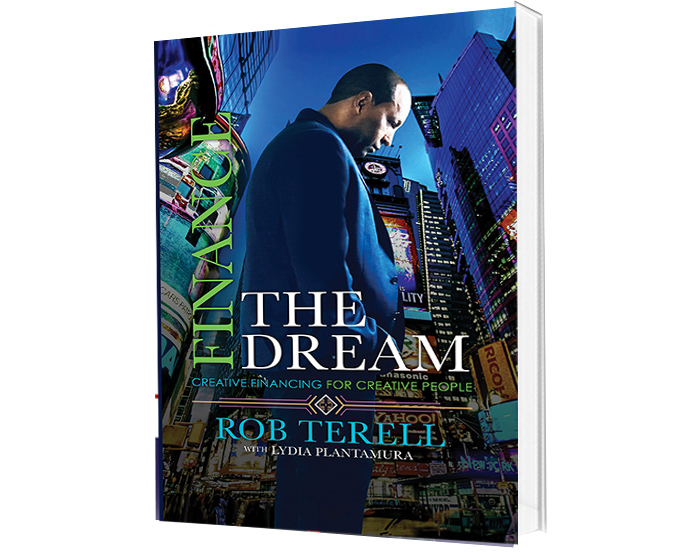
This course is inspired by Finance the Dream, the book written by our founder and CEO.
https://a.co/d/ei1l9F6